Industrial equipment relies on consistent fluid control, accurate pressure regulation, and dependable automation to maintain smooth operations. Solenoid valves play an essential role in managing these functions by controlling the movement of liquids and gases through automated electrical signals. Identifying minor performance changes early helps maintenance teams improve equipment reliability, maintain production quality, and support long-term operational efficiency.
Importance of Early Solenoid Valve Diagnosis
Regular monitoring helps identify developing concerns before they affect the overall equipment performance. A proactive maintenance approach also encourages better resource management and creates a more dependable industrial working environment.
- Improved Equipment Reliability: Early identification helps maintain consistent valve operation and supports uninterrupted machinery performance.
- Reduced Maintenance Expenses: Addressing minor concerns prevents unnecessary component damage and expensive emergency repairs.
- Better Production Consistency: Proper valve functionality supports accurate fluid movement and reliable production processes.
- Extended Component Lifespan: Timely maintenance reduces excessive strain on internal components and electrical connections.
Recognizing Common Solenoid Valve Warning Signs
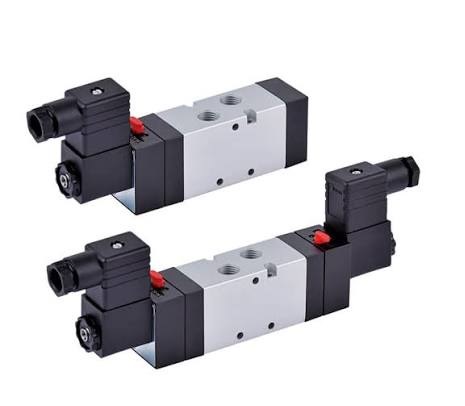
Solenoid valves often provide noticeable indications when their performance begins to change. Observing these signals helps maintenance professionals understand equipment conditions and arrange timely inspections.
- Unusual Buzzing Sounds: Continuous humming or excessive vibration may indicate electrical irregularities or internal movement restrictions.
- Delayed Valve Response: Slower opening and closing operations can affect production timing and automated equipment coordination.
- Visible Fluid Leakage: Small leaks around seals or connections may indicate wear and require appropriate attention.
- Excessive Coil Temperature: Unusual heating can suggest voltage variations, electrical problems, or operating conditions that need evaluation.
- Inconsistent Fluid Flow: Unexpected flow variations may indicate contamination, pressure differences, or internal component concerns.
Understanding Factors That Influence Valve Performance
Several operating conditions contribute to solenoid valve efficiency. Understanding these factors helps maintenance teams maintain suitable working conditions and support dependable equipment operation.
- Electrical Supply Stability: Consistent voltage supports reliable electromagnetic activation and smooth valve movement.
- Fluid Cleanliness: Effective filtration minimizes contamination that could restrict internal passages and moving components.
- Material Compatibility: Appropriate valve body and seal materials support dependable operation under different fluid conditions.
- Operating Pressure: Maintaining suitable pressure levels encourages accurate actuation and consistent flow regulation.
Benefits of Consistent Preventive Maintenance
A well-planned maintenance routine creates opportunities to improve equipment availability while maintaining stable operating conditions. Regular inspections also help identify developing concerns before they influence connected machinery.
- Inspect electrical connections and wiring for secure installation and reliable power delivery.
- Examine seals, connectors, and valve bodies for early signs of deterioration.
- Monitor operating sounds and temperature changes during routine equipment inspections.
- Maintain suitable filtration to protect internal valve components from unwanted particles.
- Review operating pressure and temperature to ensure appropriate working conditions.
Supporting Better Industrial Performance Through Timely Diagnosis
Effective diagnosis encourages smarter maintenance decisions and strengthens overall equipment management. When technicians understand early warning signs, they can identify potential concerns, select suitable maintenance solutions, and maintain dependable operating conditions.
Additional technical insights about https://www.vincervalve.com/solenoid-valve-failure-symptoms/ can help maintenance professionals understand common performance irregularities and recognize opportunities for timely attention.
Conclusion
Early solenoid valve diagnosis is a valuable part of maintaining efficient industrial equipment. Consistent inspections, proper component selection, suitable operating conditions, and preventive maintenance collectively support reliable fluid control and improved machinery performance. By giving attention to small operational changes, industries can strengthen equipment longevity, encourage productivity, and create a more efficient maintenance environment. A proactive approach ultimately contributes to smoother operations and sustainable industrial performance.