Successful environmental restoration requires careful planning, reliable information, and continuous evaluation of project activities. Environmental monitoring plays an important role in understanding changing site conditions and measuring the effectiveness of restoration efforts. Through regular inspections, accurate sampling, and detailed analysis, environmental professionals can make informed decisions that support project objectives. Consistent monitoring also encourages responsible resource management, improves coordination, and helps restoration teams achieve meaningful environmental improvements while supporting long-term sustainability.
Regular Site Monitoring Encourages Better Project Management
Consistent site evaluations provide valuable information about environmental conditions throughout restoration activities. Professional monitoring helps project teams understand ongoing changes, review completed activities, and identify opportunities for improvement. This approach supports organized workflows and encourages steady progress toward restoration goals.
- Conduct routine environmental site inspections.
- Observe changes in existing site conditions.
- Document restoration activities and findings.
- Evaluate progress against established project objectives.
- Maintain clear environmental monitoring records.
Soil Monitoring Supports Effective Restoration
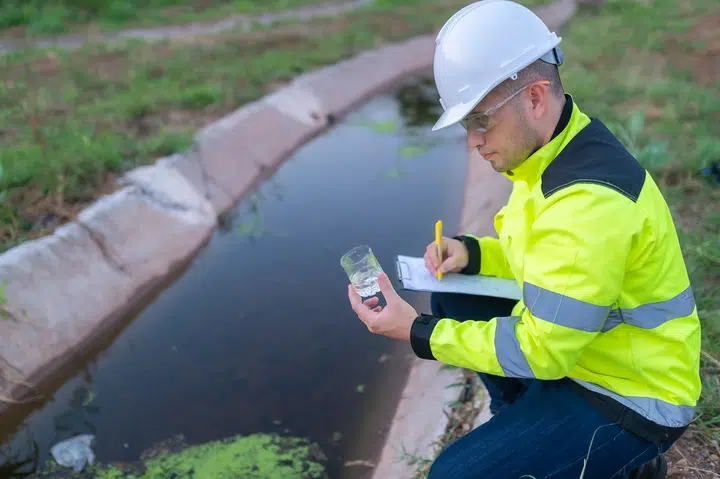
Soil quality plays an important role in environmental recovery and future property usability. Regular soil sampling and laboratory analysis help professionals understand changing conditions and evaluate the effectiveness of selected treatment methods. These insights support informed decisions throughout restoration projects.
- Collect representative soil samples regularly.
- Evaluate soil quality through appropriate testing.
- Monitor changes in contaminant concentrations.
- Assess treatment effectiveness over time.
- Identify opportunities for improved soil management.
Groundwater Monitoring Strengthens Environmental Protection
Groundwater monitoring provides essential information about subsurface environmental conditions during restoration activities. Regular sampling helps professionals evaluate water quality, understand changing conditions, and assess the performance of remediation measures. This information supports responsible water resource management and long-term environmental protection.
- Conduct scheduled groundwater sampling activities.
- Evaluate important water quality characteristics.
- Monitor groundwater conditions across selected locations.
- Review treatment performance through analytical results.
- Maintain accurate groundwater monitoring documentation.
Data Analysis Supports Informed Restoration Decisions
Reliable monitoring information helps environmental professionals understand project performance and determine suitable improvements. Organized data analysis makes it easier to identify trends, compare results, and communicate important findings. These insights encourage effective planning and support confident restoration decisions.
- Compare current findings with previous results.
- Identify meaningful environmental trends.
- Evaluate restoration performance using reliable data.
- Prepare clear technical monitoring reports.
- Support timely adjustments to project activities.
Customized Monitoring Improves Project Coordination
Every restoration project involves different environmental conditions, treatment requirements, and performance objectives. Customized monitoring programs help teams collect relevant information according to individual project needs. This flexibility encourages efficient coordination and supports consistent progress throughout restoration activities.
- Develop monitoring plans for specific site conditions.
- Select suitable sampling locations and schedules.
- Coordinate monitoring with remediation activities.
- Establish measurable environmental performance targets.
- Communicate findings with relevant project professionals.
Professional Monitoring Encourages Long-Term Environmental Success
Environmental monitoring provides valuable support beyond immediate cleanup activities. Continued evaluations help confirm restoration progress, maintain environmental records, and guide future property management decisions. Professionals can explore additional environmental restoration information through https://www.fullterra.com/environmental-remediation/.
Supporting Sustainable Outcomes Through Consistent Monitoring
Effective environmental monitoring strengthens restoration projects through reliable information, regular evaluations, and informed decision-making. By combining soil and groundwater assessments with detailed data analysis, project teams can improve treatment strategies and maintain steady progress. These practices encourage responsible environmental management, support healthier surroundings, and create lasting opportunities for successful property restoration.