Minor injuries can happen during routine activities, outdoor tasks, exercise, or household work. Quick and careful treatment helps reduce discomfort, supports healthy healing, and keeps the affected area protected from dirt and irritation. Learning a few simple care steps can make handling small cuts, scrapes, and blisters much easier.
Begin With Clean Hands
Before touching an injury, always make sure your hands are clean. This lowers the chance of introducing unwanted germs into the wound.
Helpful preparation steps:
- Wash hands thoroughly with soap and clean water
- Dry hands using a fresh towel or clean cloth
- Keep basic wound supplies nearby
- Stay calm and work slowly for better accuracy
Clean handling creates a safer environment for the injured area and improves comfort during treatment.
Gently Clean the Injury
Cleaning the wound is one of the most important steps in early care. Dirt or debris left inside a cut or scrape may slow the healing process.
Safe cleaning methods:
- Rinse the injury with clean running water
- Remove visible dirt carefully using sanitized tools
- Pat the surrounding skin dry gently
- Avoid rubbing the wound aggressively
A properly cleaned wound usually feels fresher and is easier to protect afterward.
Control Minor Bleeding
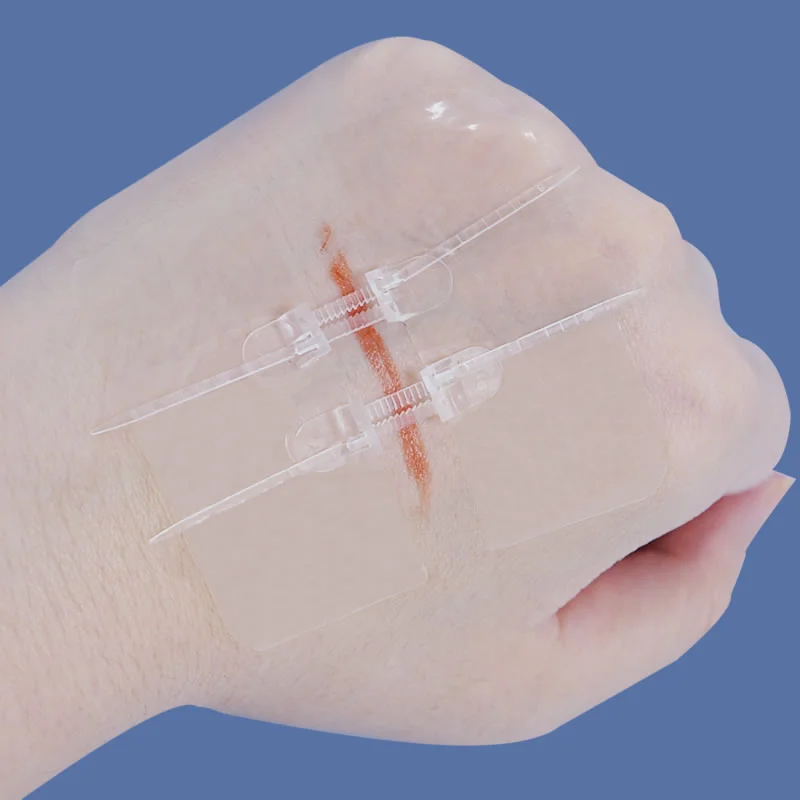
Small cuts often stop bleeding naturally within a short time. Gentle pressure helps speed up the process without causing additional irritation.
Useful techniques include:
- Apply light pressure with clean gauze or cloth
- Elevate the injured area if possible
- Remain patient and avoid repeated checking
- Replace soaked cloths carefully if needed
Steady pressure is usually enough for common minor injuries.
Apply Protective Coverage
After cleaning and drying the area, covering the how to close a wound helps shield it from friction and outside particles. Proper sealing also supports a more comfortable healing process.
Good coverage practices:
- Use a clean dressing suited to the wound size
- Ensure edges stay secure without being too tight
- Keep the protective layer dry and stable
- Replace coverings when dirty or loose
A secure covering can help people continue normal activities with less discomfort.
Watch for Signs of Healing
Minor injuries typically improve steadily with regular care. Observing the wound daily helps confirm that recovery is progressing well.
Positive healing signs may include:
- Reduced redness around the area
- Less tenderness after cleaning
- Formation of fresh protective skin
- Decreased swelling over time
Simple monitoring helps maintain confidence during recovery.
Keep the Area Comfortable
Protecting the injury from repeated stress can improve healing speed and reduce irritation.
Helpful comfort tips:
- Avoid scratching or picking at the wound
- Wear loose and breathable clothing nearby
- Limit unnecessary pressure on the area
- Keep the skin clean throughout recovery
Small protective habits often make a noticeable difference.
Maintain a Ready Care Kit
Having essential supplies prepared ahead of time allows faster treatment when accidents happen.
Useful items to store:
- Clean gauze pads
- Adhesive strips
- Medical tape
- Antiseptic wipes
- Disposable gloves
- Small scissors
A well-organized kit encourages quick action and more confident care.
Treating and sealing minor injuries quickly does not need to be complicated. Clean handling, gentle care, and proper protection can support smooth healing and greater comfort. With a few simple supplies and careful attention, small wounds can often be managed safely and effectively at home.